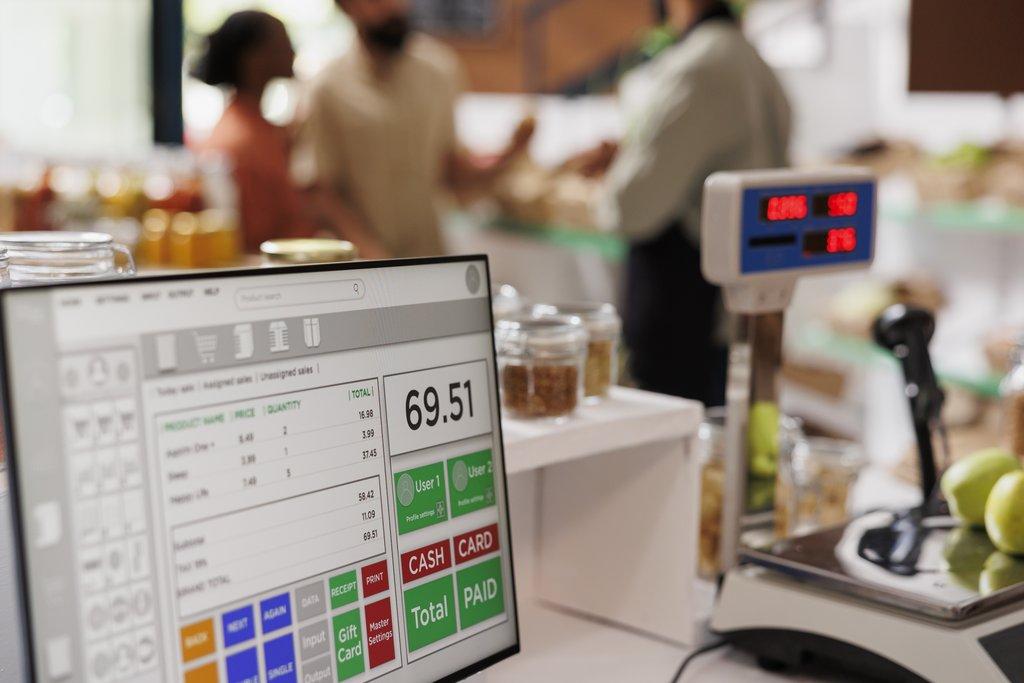
The food and beverage industry is one of the most complex and highly regulated sectors in modern business. Companies operating in this industry must manage multiple operational layers including procurement of raw ingredients, production planning, quality control, inventory management, distribution, compliance with food safety standards, and financial management. Unlike many other industries, food and beverage businesses must also deal with challenges such as short product shelf life, strict hygiene regulations, fluctuating demand, and batch-level traceability.
Traditional management methods such as spreadsheets or disconnected accounting software often fail to handle the operational complexity of food production and distribution. When procurement, production, inventory, and accounting operate in separate systems, businesses face issues such as inaccurate stock levels, production delays, waste of perishable goods, and lack of visibility into profitability.
ERPNext provides a comprehensive enterprise resource planning platform that connects all critical operational processes into a unified system. From managing raw material procurement to tracking batch production, monitoring quality checks, and handling sales distribution, ERPNext helps food and beverage companies streamline operations and maintain complete visibility over their supply chain.
This blog explains in detail how ERPNext supports food manufacturers, beverage companies, restaurants, packaged food producers, and distribution businesses in managing operations efficiently while maintaining quality standards and profitability.
1. Ingredient Procurement and Supplier Management
The quality of any food product begins with the quality of its ingredients. Food manufacturers depend on reliable suppliers for raw materials such as grains, dairy products, spices, fruits, vegetables, packaging materials, and preservatives. Managing these procurement processes manually can lead to supplier inconsistencies, delays in raw material availability, and pricing fluctuations.
ERPNext allows food businesses to maintain a centralized supplier database where vendor details, pricing agreements, and delivery timelines can be recorded. Procurement teams can raise Material Requests based on production plans and convert them into Purchase Orders sent directly to approved suppliers. This structured workflow ensures that procurement activities follow a consistent and transparent process.
Once materials arrive at the facility, Purchase Receipts update the inventory automatically, ensuring accurate stock tracking. Supplier invoices are then recorded through Purchase Invoices, enabling financial transparency and easier expense management.
By digitizing the procurement workflow, food businesses gain better supplier coordination, improved price negotiation capabilities, and reliable ingredient availability for continuous production.
2. Recipe and Bill of Materials Management
In the food and beverage industry, every product is based on a specific recipe that defines the quantity and combination of ingredients required for production. Managing these recipes manually can lead to inconsistencies in taste, quality, and cost calculations.
ERPNext uses a Bill of Materials (BOM) system to define product recipes. Each finished product can have a detailed BOM that specifies the required ingredients, quantities, and associated costs. This ensures that every production batch follows standardized ingredient proportions.
When production orders are created, ERPNext automatically calculates the raw material quantities required based on the BOM. This prevents ingredient shortages and helps production managers plan inventory requirements accurately.
Recipe standardization not only ensures consistent product quality but also allows management to control production costs and analyze profitability at the product level.
3. Batch Production and Manufacturing Control
Food and beverage products are often produced in batches rather than individual units. Each batch must be tracked carefully to ensure quality control, traceability, and regulatory compliance. Without a structured system, managing batch production manually becomes extremely challenging.
ERPNext’s Manufacturing module allows companies to create Work Orders for batch production. These work orders define the quantity to be produced, the required raw materials, and the production schedule. During production, the system records material consumption and finished goods output.
Each production batch can be assigned a unique batch number, allowing businesses to track the manufacturing date, ingredients used, and associated quality checks. If any issue arises later, companies can trace affected batches quickly and take corrective actions.
This batch-level production management improves operational control and ensures that manufacturing processes follow standardized procedures.
Food Production Workflow in ERPNext
| Production Step | ERPNext Document | Operational Benefit |
|---|---|---|
| Production planning | Work Order | Organized manufacturing schedule |
| Raw material consumption | Stock Entry | Accurate inventory tracking |
| Batch identification | Batch Number | Product traceability |
| Finished goods update | Manufacturing Entry | Real-time stock availability |
4. Inventory Management for Perishable Goods
Inventory management is particularly critical for food and beverage businesses because many ingredients and finished products have limited shelf life. Poor stock tracking can result in expired inventory, wastage, or production interruptions due to missing ingredients.
ERPNext provides real-time inventory management with support for batch tracking, expiration dates, and warehouse management. Each ingredient or finished product can be assigned a batch number and expiry date, allowing businesses to monitor shelf life effectively.
The system supports FIFO (First-In-First-Out) inventory methods, ensuring that older stock is used before newer batches. This is especially important for perishable items such as dairy products, beverages, baked goods, and packaged foods.
With accurate stock tracking and expiry management, companies can significantly reduce wastage and maintain better inventory control.
5. Quality Control and Food Safety Compliance
Food safety regulations require strict monitoring of product quality throughout the production lifecycle. Companies must ensure that raw materials meet safety standards and that finished products maintain consistent quality.
ERPNext includes a Quality module that allows businesses to define quality inspection templates for incoming raw materials and finished goods. During procurement, quality inspections can verify supplier materials before they enter production.
Similarly, finished products can undergo inspection before being released for sale. Inspection results are recorded within the system, providing documented proof of compliance with safety standards.
These structured quality checks help food manufacturers meet regulatory requirements while protecting brand reputation and consumer safety.
6. Multi-Channel Sales and Distribution Management
Food and beverage companies distribute their products through multiple sales channels including wholesalers, supermarkets, restaurants, distributors, and direct retail outlets. Managing these diverse channels manually can create operational inefficiencies.
ERPNext’s Sales module allows businesses to manage customer orders, pricing structures, discounts, and delivery schedules in one centralized system. Sales Orders capture customer demand and convert directly into Delivery Notes and Sales Invoices.
Distribution teams can track product movement from warehouses to distributors and retail partners. Customer transaction history helps businesses understand purchasing behavior and forecast demand more accurately.
This centralized sales management improves order accuracy, strengthens distributor relationships, and ensures smooth product delivery across different markets.
7. Financial Tracking and Cost Control
Profitability in the food industry depends heavily on controlling production costs, procurement expenses, and distribution overheads. Without structured financial tracking, it becomes difficult to identify cost leaks or evaluate product profitability.
ERPNext integrates accounting with all operational modules, allowing financial transactions to be recorded automatically. Purchase Invoices capture supplier expenses, while Sales Invoices record revenue from product sales.
Manufacturing costs including ingredients, labor, and overheads are automatically linked to production activities. This allows management to evaluate the actual cost of producing each product.
Financial reports such as Profit & Loss statements, expense analysis, and cost center reports help management make informed decisions about pricing and cost optimization.
Food Business Financial Tracking in ERPNext
| Financial Activity | ERPNext Document | Business Benefit |
|---|---|---|
| Ingredient procurement | Purchase Invoice | Accurate expense tracking |
| Product sales | Sales Invoice | Clear revenue visibility |
| Manufacturing cost | Work Order Costing | Production profitability insight |
| Financial analysis | Profit & Loss Report | Strategic decision making |
8. Warehouse and Cold Storage Management
Many food products require temperature-controlled storage to maintain quality and safety. Managing multiple warehouses or cold storage units without a centralized system can lead to stock misplacement and inefficiencies.
ERPNext allows companies to configure multiple warehouses including cold storage facilities, distribution centers, and retail warehouses. Stock transfers between warehouses are recorded using Stock Entries, ensuring complete visibility of product movement.
Warehouse managers can track stock levels in real time and ensure that storage capacity is used efficiently. Inventory reports help management monitor slow-moving or excess stock.
Effective warehouse management ensures that food products are stored properly and delivered to customers without compromising quality.
9. Workforce and Production Labor Management
Food production facilities employ various staff members including production supervisors, machine operators, packaging workers, quality inspectors, and logistics staff. Managing attendance, payroll, and workforce allocation manually can lead to administrative inefficiencies.
ERPNext includes a comprehensive HR module that allows businesses to manage employee records, attendance tracking, shift assignments, and payroll processing. Workforce allocation can be aligned with production schedules to ensure optimal staffing levels.
Payroll calculations including overtime, deductions, and statutory compliance can be automated, reducing manual workload for HR departments.
Structured workforce management ensures employee accountability while improving operational productivity in production facilities.
10. Real-Time Reporting and Business Intelligence
Food and beverage businesses require accurate data to make timely decisions related to production planning, procurement, inventory management, and sales forecasting. Without centralized reporting, management may rely on outdated information that can negatively impact operational efficiency.
ERPNext provides real-time dashboards and analytical reports covering production output, inventory levels, sales performance, financial status, and procurement activity. These reports help management identify operational bottlenecks quickly.
Executives can monitor key business indicators such as production efficiency, ingredient consumption, product profitability, and customer demand patterns. This data-driven approach enables better planning and long-term strategic decisions.
With centralized reporting and integrated data, food and beverage companies gain complete operational visibility and improved decision-making capabilities.
Conclusion: Transforming Food and Beverage Operations with ERPNext
The food and beverage industry requires strict operational coordination, strong quality control, and efficient supply chain management. Manual processes often lead to inventory wastage, inconsistent production quality, and limited financial visibility.
ERPNext provides a powerful digital platform that integrates procurement, recipe management, manufacturing, inventory control, quality assurance, sales distribution, accounting, and workforce management into a single unified system.
By adopting ERPNext, food and beverage businesses can streamline operations, improve product consistency, reduce operational waste, and maintain complete transparency across their supply chain. With real-time insights and automated workflows, companies can scale production efficiently while maintaining profitability and regulatory compliance.
11. Demand Forecasting and Production Planning
Demand forecasting plays a crucial role in the food and beverage industry because production must align closely with market demand. Overproduction can lead to product spoilage and financial loss, while underproduction can result in missed sales opportunities and dissatisfied customers. Accurate demand forecasting allows companies to balance production capacity with expected customer demand.
ERPNext provides tools that help businesses analyze historical sales data and identify consumption patterns across different seasons, regions, and product categories. Using these insights, production planners can create manufacturing schedules that align with predicted demand levels.
The system also supports production planning through Material Requirements Planning (MRP). This feature calculates the quantity of raw materials required based on sales orders and production plans. Procurement teams can then ensure that ingredients are available before manufacturing begins.
With accurate forecasting and structured planning, food manufacturers can maintain optimal inventory levels, reduce waste, and improve production efficiency.
12. Expiry Date and Shelf-Life Management
One of the biggest operational challenges in the food and beverage industry is managing products with limited shelf life. Many food items must be sold or consumed within specific time periods to maintain safety and quality standards. Without proper tracking, businesses may unknowingly sell expired products or lose large quantities of inventory due to spoilage.
ERPNext provides built-in support for expiry date tracking and batch management. Each batch of products can be assigned an expiry date during the manufacturing or receiving process. The system automatically monitors these dates and alerts warehouse managers when products approach expiration.
Inventory reports can highlight batches that must be sold quickly or moved through promotions to avoid waste. Businesses can also prioritize selling older batches first by following FIFO inventory practices.
This level of control ensures food safety compliance while reducing product waste and protecting the company's brand reputation.
13. Packaging and Labeling Management
Packaging plays a vital role in the food and beverage industry. It protects products during transportation, extends shelf life, and provides essential information such as ingredients, nutritional values, and expiration dates. Managing packaging materials and labeling requirements manually can create operational inefficiencies.
ERPNext allows packaging materials such as bottles, cartons, labels, and containers to be tracked as inventory items. These materials can be included in Bills of Materials along with raw ingredients, ensuring that packaging components are available during production.
During manufacturing, ERPNext records the consumption of packaging materials along with ingredients. This ensures accurate cost calculation for each finished product.
Structured packaging management ensures consistency in labeling and helps businesses comply with food safety regulations that require proper product information on packaging.
14. Product Traceability and Recall Management
Food safety incidents can occur due to contaminated ingredients, packaging issues, or production errors. In such situations, companies must quickly identify affected batches and recall them from the market. Without a proper traceability system, product recalls become extremely difficult and risky.
ERPNext supports complete product traceability through batch tracking. Every batch is linked to the raw materials used, the production process, and the customers who purchased the products.
If a safety issue arises, companies can quickly trace the affected batches and identify where those products were distributed. This enables targeted recalls instead of recalling entire product lines.
Efficient traceability systems improve consumer safety and demonstrate regulatory compliance, which is critical in the food industry.
15. Distributor and Dealer Management
Many food and beverage companies rely on distributor networks to deliver products to retail stores, supermarkets, restaurants, and other businesses. Managing distributor relationships and tracking sales performance across different regions can be challenging without a centralized system.
ERPNext allows companies to register distributors and dealers as customers within the system. Special pricing structures, credit limits, and territory assignments can be defined for each distributor.
Sales orders placed by distributors can be tracked easily, and delivery schedules can be organized based on regional demand. Sales reports provide insights into distributor performance and regional sales trends.
This structured distributor management system helps businesses expand their market reach while maintaining strong control over distribution operations.
16. Promotional Pricing and Discount Management
Marketing campaigns and promotional offers are common strategies used by food and beverage companies to increase sales and introduce new products. However, managing promotional pricing across multiple sales channels manually can lead to pricing inconsistencies.
ERPNext allows businesses to configure pricing rules, discounts, and promotional offers within the system. These rules can be applied automatically based on customer categories, product groups, or seasonal campaigns.
Sales teams can create promotional offers without manually adjusting prices for each order. The system ensures that discounts are applied consistently across all transactions.
Automated pricing management helps businesses run marketing campaigns efficiently while maintaining accurate revenue tracking.
17. Retail and Point of Sale (POS) Integration
Many food businesses operate their own retail outlets, bakeries, cafes, or beverage stores. Managing retail transactions manually or using standalone POS systems can create data inconsistencies between sales, inventory, and accounting.
ERPNext includes an integrated Point of Sale system designed for retail environments. POS terminals allow store staff to process transactions quickly while automatically updating inventory and accounting records in the ERP system.
Sales data from multiple retail outlets can be consolidated into a single dashboard, allowing management to analyze product performance across different locations.
Integrated POS systems improve retail efficiency and provide accurate sales insights for decision-making.
18. Compliance with Food Safety Regulations
Food and beverage companies must comply with strict regulatory requirements related to hygiene, ingredient sourcing, product labeling, and traceability. Non-compliance can result in legal penalties, product recalls, or damage to brand reputation.
ERPNext helps businesses maintain compliance by documenting procurement records, quality inspections, batch production details, and distribution data. These records create an audit trail that regulatory authorities can review when necessary.
Quality inspection reports, supplier certifications, and production logs can all be stored within the ERP system, ensuring that businesses maintain proper documentation.
Maintaining digital records through ERPNext simplifies regulatory compliance and helps companies meet industry standards efficiently.
19. Customer Relationship Management
Understanding customer preferences and purchasing behavior is essential for food and beverage companies that want to expand their market presence. Building strong relationships with distributors, retailers, and end consumers helps businesses improve brand loyalty and increase repeat sales.
ERPNext includes a built-in Customer Relationship Management module that helps businesses manage leads, customer communication, and sales opportunities. Sales teams can track customer interactions, follow up on inquiries, and maintain detailed records of customer activity.
Customer purchase history provides valuable insights into product demand trends and helps businesses design targeted marketing campaigns.
A structured CRM system strengthens customer engagement and supports long-term business growth.
20. Business Analytics and Strategic Decision Making
In the competitive food and beverage market, business success depends on making timely and data-driven decisions. Management teams need access to accurate operational data to evaluate performance and identify growth opportunities.
ERPNext provides powerful analytics and reporting capabilities that combine data from procurement, manufacturing, sales, and finance. Executives can analyze key performance indicators such as production efficiency, ingredient consumption, sales trends, and profit margins.
Interactive dashboards present critical business data in an easy-to-understand format, enabling faster decision-making.
By leveraging ERPNext’s reporting capabilities, food and beverage companies can continuously improve operations, optimize costs, and expand their market presence.